Everything buyers
ask us first.
Fabric close-ups, a short buying guide, what each market asks for, and the questions that come up in almost every first call.
Plush fabrics, up close
Pile height and density change how a plush feels in the hand — and what it costs to ship.
- Pile 1–5 mm
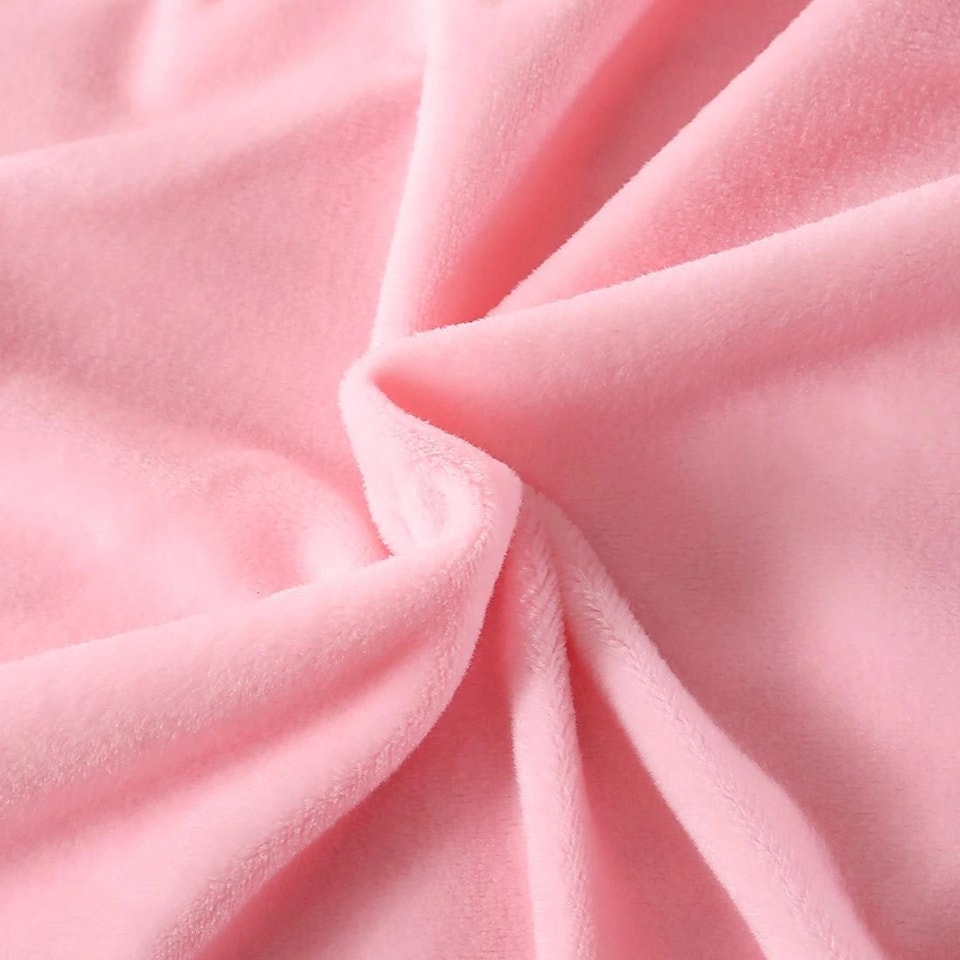
Crystal velboa
Fine, smooth short pile with a soft sheen, for clean shapes and embroidered details.
- Pile 6–15 mm
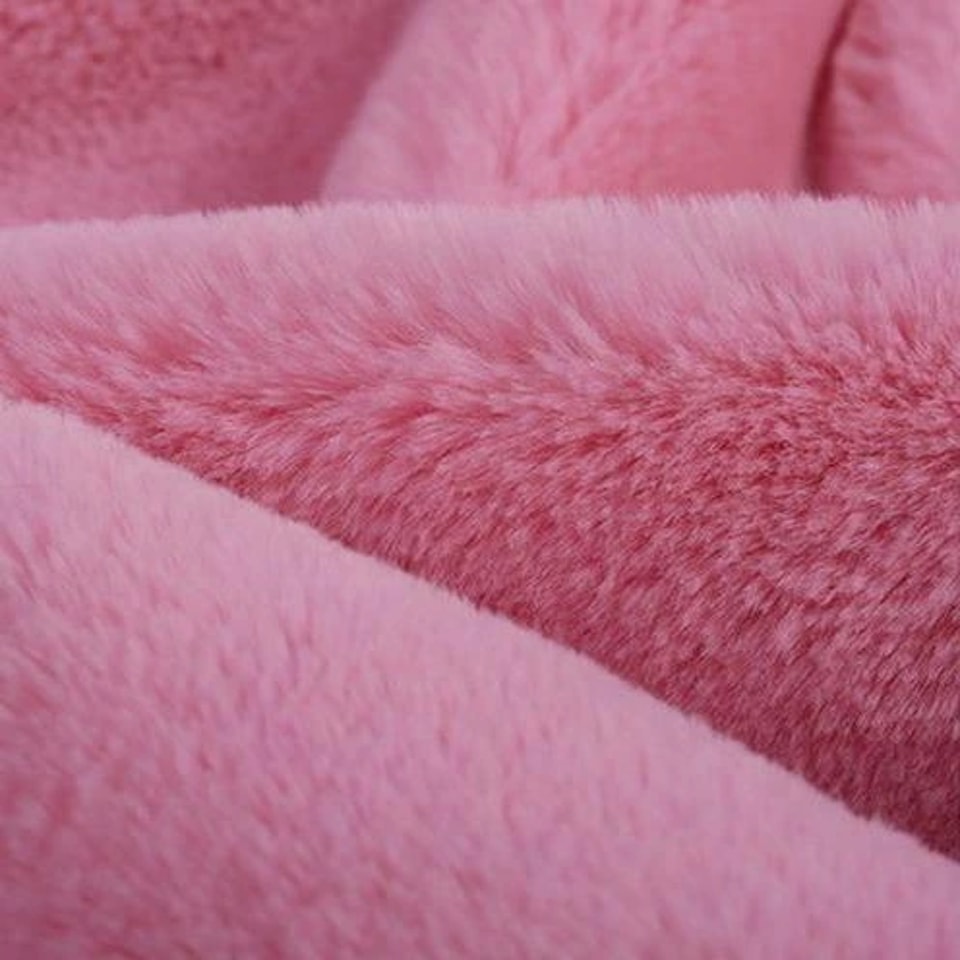
Rabbit-style plush
Fluffy, full pile for character bodies, soft toys and plush accents.
- Knitted texture
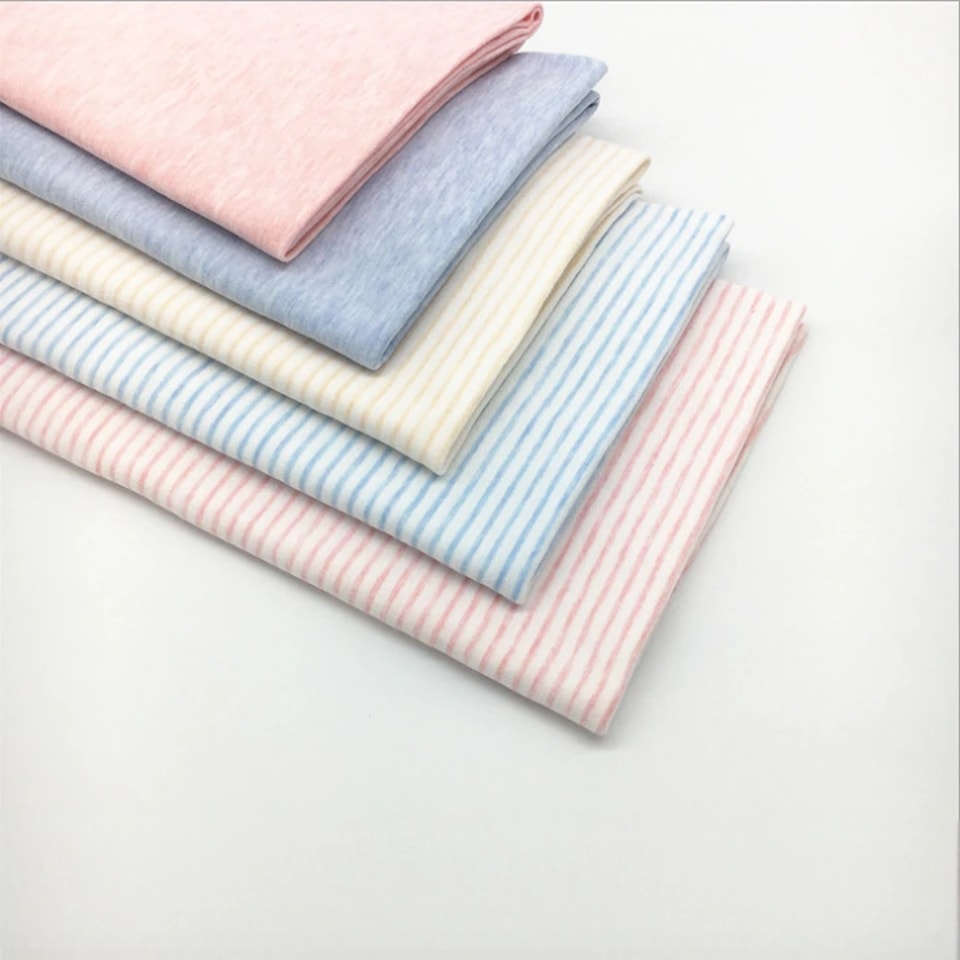
Organic knit fabric
A soft knitted surface in plain and striped colourways, for fabric panels and soft accessories.
- Ribbed fabric
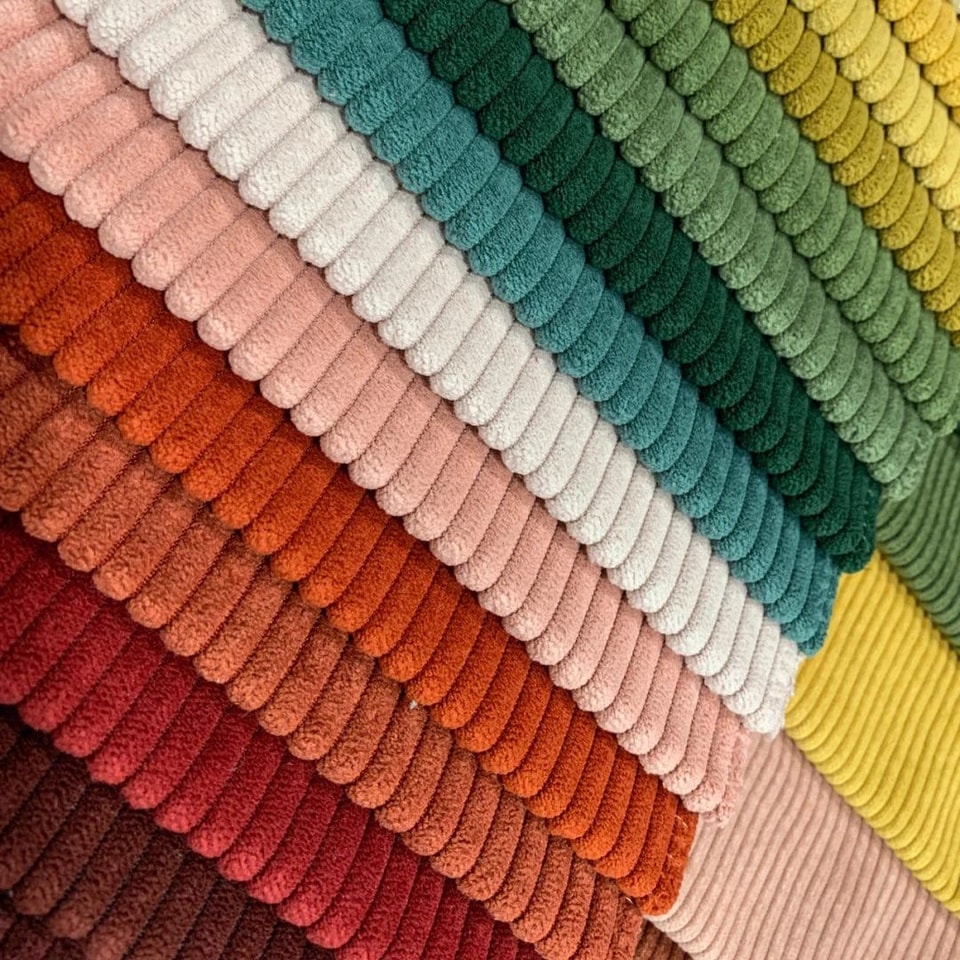
Corduroy
Distinctive raised ribs add texture to plush toys, bags and cushions.
Fabric colours and finishes are confirmed with physical swatches before production.
What to send, and what comes back
- 01
Send the brief
Artwork or a reference photo, the size you want, the market it will be sold in, and a rough quantity.
- 02
Read the quotation
It comes with a fabric proposal, the MOQ for that design, and a sampling plan — ask us to price two fabrics if you are undecided.
- 03
Approve the sample
You get photos from every side before it ships. Comments on the photos are fine; we revise and re-shoot.
- 04
Sign off production
The approved sample stays at the head of the line. Test reports and carton labels are prepared with the run.
Which rules apply where
The headline standards buyers ask us about. Scope depends on the product and the age grade, so treat this as a starting point, not advice.
- EN 71
European Union
Mechanical and physical properties, flammability, and migration of certain elements. CE marking required.
- ASTM F963 · CPSIA
United States
Toy safety standard plus lead and phthalate limits, with tracking labels on the product and packaging.
- CCC
Mainland China
Compulsory certification for certain toy categories sold on the domestic market.
- Market-specific
Japan & others
Requirements differ by category and retailer; we confirm the test list before sampling.
We arrange testing with third-party labs and send the reports with the goods. Confirm the exact scope with us before printing any claim on packaging.
Questions from the first call
If yours is not here, ask — we answer within one working day.
Do you work from a drawing, or do I need a 3D file?
A drawing is enough. A character sheet, a photo of a sample, or even a sketch gives our pattern room something to work from. 3D files help on complex shapes but are never required.
What is the minimum order?
It depends on the design, the fabric and the packaging — a simple keychain and a 40 cm figure sit far apart. Send the brief and the MOQ comes back with the quotation.
How long does a sample take?
Sampling time depends on the fabric and how many revisions we go through. We confirm the schedule with the quote, and we tell you early if a launch date is at risk.
Which safety tests do I need?
It depends on the market and the age grade. The EU asks for EN 71, the US for ASTM F963 and CPSIA, mainland China for CCC on some categories. We will tell you what applies and arrange testing.
Can you print or embroider our logo?
Yes — embroidery, woven labels, hang tags, printed belly bands and gift boxes. For toys under three we keep to embroidered details.
Will our character be sold to anyone else?
No. Client designs are made for that client only; they never go into our own collection and we do not resell them.
Still deciding?
Send the brief anyway — we will tell you what is realistic before you commit.
Explore
We make
Talk to us
- +86 135 5976 8227
- postmaster@qimengtoy.com
- Building 10, No.136 Chanan Road, Chashan Town, Dongguan, Guangdong 523391, China
Follow us


Start a plush
We use these details only to reply to your enquiry — see our Privacy Policy.