
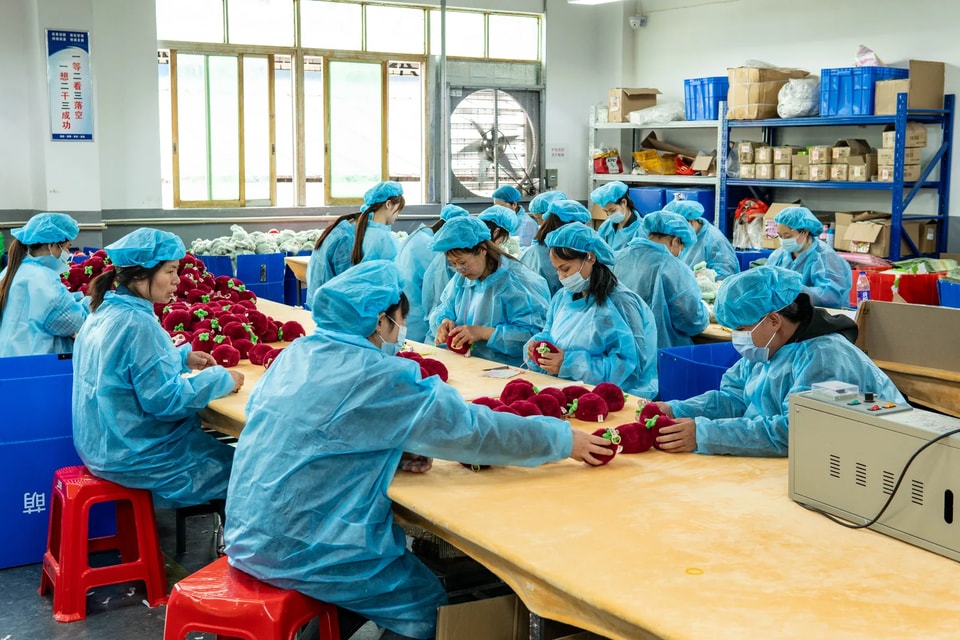
Which toy-safety rules apply to plush, market by market
Buyers often ask for "the certificate". There is no single one — the list depends on where the toy is sold and the age it is sold for. European UnionEN 71 covers mechanical and physical properties, flammability and the migration of certain elements. Toys sold in the EU carry CE marking. United StatesASTM F963 is the toy safety standard; CPSIA adds limits on lead and phthalates and requires tracking labels on the product and its packaging. Mainland ChinaCCC certification is compulsory for certain toy categories on the domestic market. Age grade changes the constructionFor under-threes we keep to embroidered eyes and noses and avoid small detachable parts entirely. That decision has to be made before the pattern, not after the sample. We arrange testing with third-party labs and send the reports with the goods. Confirm the exact scope with us before printing any safety claim on packaging.
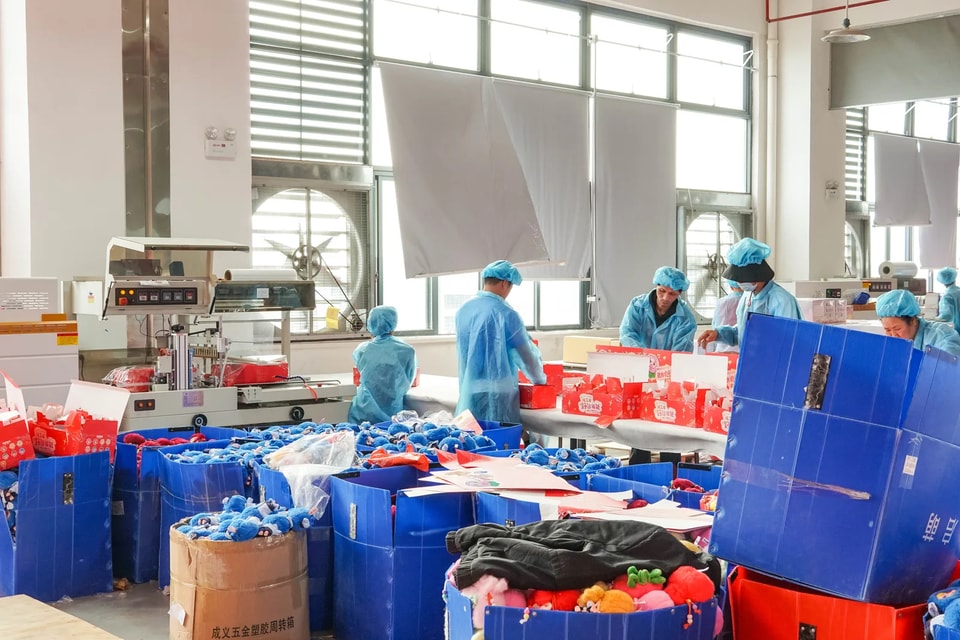
Needle detection and pull tests, explained
Two checks come up in nearly every factory audit of a plush supplier. Needle detectionSewing means needles, and a broken needle tip is the one contaminant that matters in a soft toy. Every finished piece passes through a metal detector before packing; our floor runs five detectors. Pull testingEyes, noses and seams are pulled with calibrated force to check nothing comes away. This is also why we use embroidered features for toys aimed at under-threes. RecordsTest results and material lots are filed with the order, so when a retailer asks six months later, the paperwork is already there.
Explore
We make
Talk to us
- +86 135 5976 8227
- postmaster@qimengtoy.com
- Building 10, No.136 Chanan Road, Chashan Town, Dongguan, Guangdong 523391, China
Follow us


Start a plush
We use these details only to reply to your enquiry — see our Privacy Policy.