How to brief a plush factory (and what comes back)
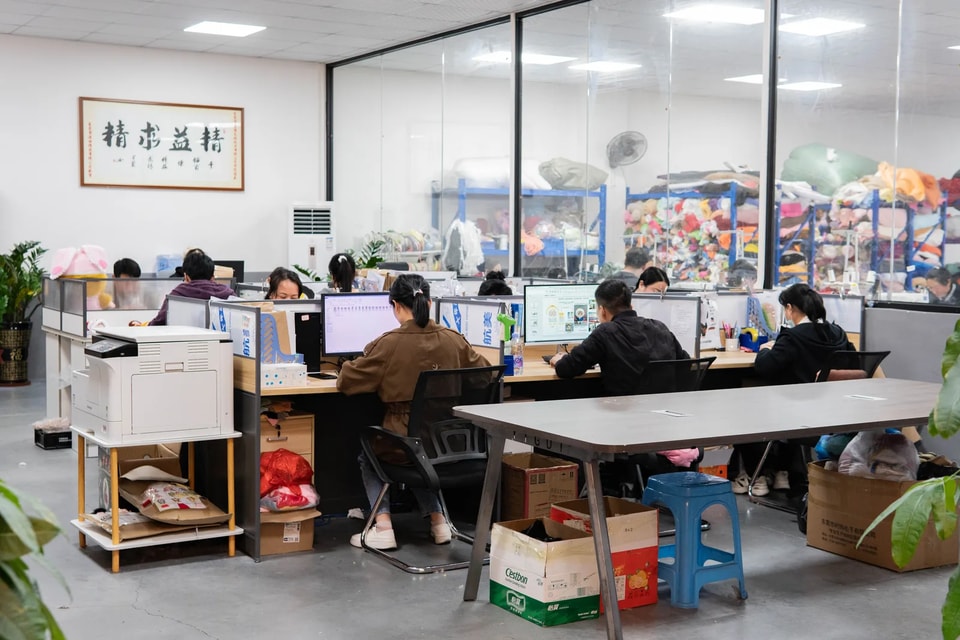
Most first enquiries arrive as a photo and one line of text. That is honestly enough to begin, but four pieces of information move things along much faster. Send us these four things Artwork or a reference. A character sheet, a drawing, or a photo of something similar. Rough sketches are fine — our pattern room works from them every week.A size. Even an approximate height changes the pattern, the fabric consumption and the price.The market. The EU, the US, Japan and mainland China each ask for different testing, and some of it changes the construction.A rough quantity. It decides whether a design is made on one line or several, and it sets the minimum order for that shape. What comes back You get a quotation, a fabric proposal, and a sampling plan. If something in the drawing will not survive a pull test, or will cost far more than it needs to, we say so in that first reply rather than after the sample. Lead time and minimum order are quoted per design. They depend on the fabric, the season and how complex the piece is, so we do not publish a single number that would be wrong half the time.
Short plush, minky or faux fur — how to choose
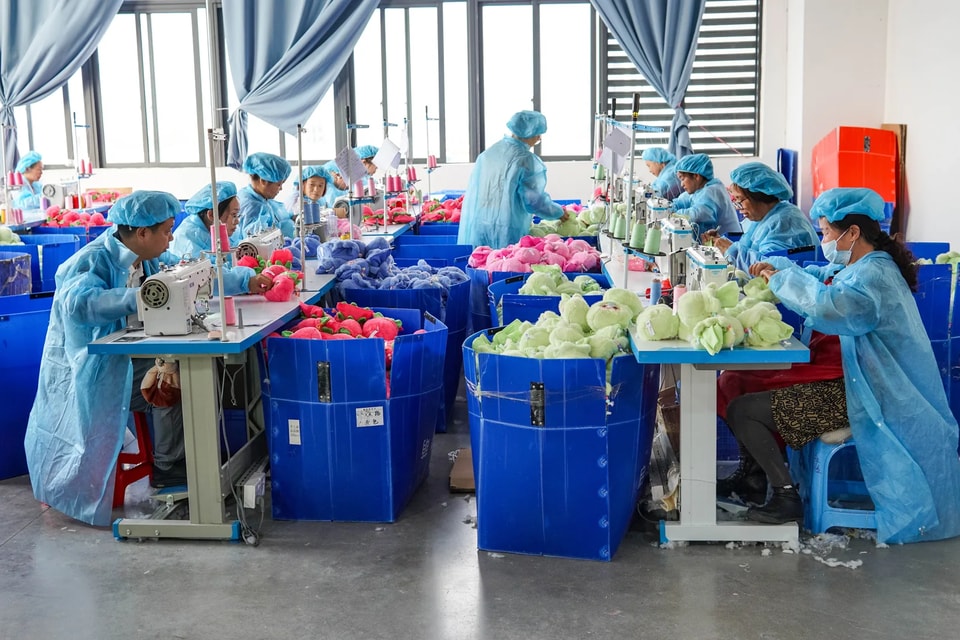
Fabric is the first decision we make with a client, and it quietly sets the rest of the project. Short plushThe classic teddy surface, roughly a 3 mm pile. It holds embroidery cleanly and keeps a crisp shape, which makes it the safe pick for character faces. MinkyDense, silky and with a soft sheen. Popular for baby products because it feels gentle in the hand and prints evenly. Faux furA long pile, typically 15–25 mm. It reads as premium and hides seams, but it takes more volume in a carton, which shows up in freight. Corduroy and cottonRibbed cotton and canvas are chosen when the toy has to survive teeth or repeated washing — pet lines and some home pieces. We post physical swatches before production. A screen is good for shortlisting, never for matching a colour.
Which toy-safety rules apply to plush, market by market
Buyers often ask for "the certificate". There is no single one — the list depends on where the toy is sold and the age it is sold for. European UnionEN 71 covers mechanical and physical properties, flammability and the migration of certain elements. Toys sold in the EU carry CE marking. United StatesASTM F963 is the toy safety standard; CPSIA adds limits on lead and phthalates and requires tracking labels on the product and its packaging. Mainland ChinaCCC certification is compulsory for certain toy categories on the domestic market. Age grade changes the constructionFor under-threes we keep to embroidered eyes and noses and avoid small detachable parts entirely. That decision has to be made before the pattern, not after the sample. We arrange testing with third-party labs and send the reports with the goods. Confirm the exact scope with us before printing any safety claim on packaging.
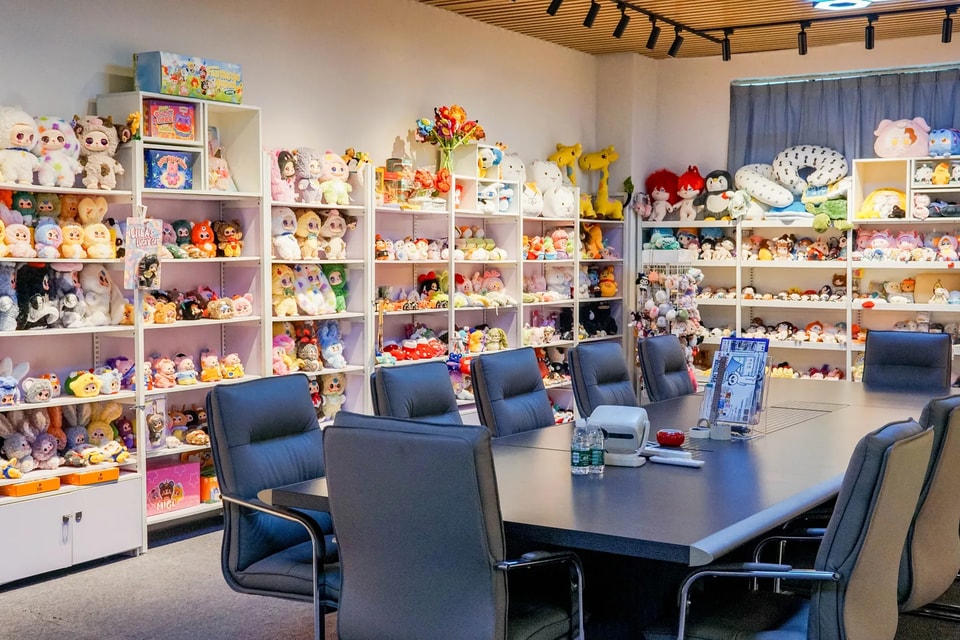
What you actually get in a first sample
A first sample is not a production piece. It is hand-sewn in our sample room, which means it shows the shape, the fabric and the face, and it is the thing everything later gets measured against. What ships, and what you see firstWe photograph the sample from the front, back, both sides and the base before anything is couriered, so you can comment while the parcel is still in the air. Expect at least one revisionProportions on a drawing rarely survive contact with fabric untouched — an ear that works on paper can flop once it is stuffed. We note what we adjusted and why. Then it stays at the head of the lineOnce you sign off, that sample sits with the production line as the reference. Checks during the run compare against it, not against a photo on a phone.
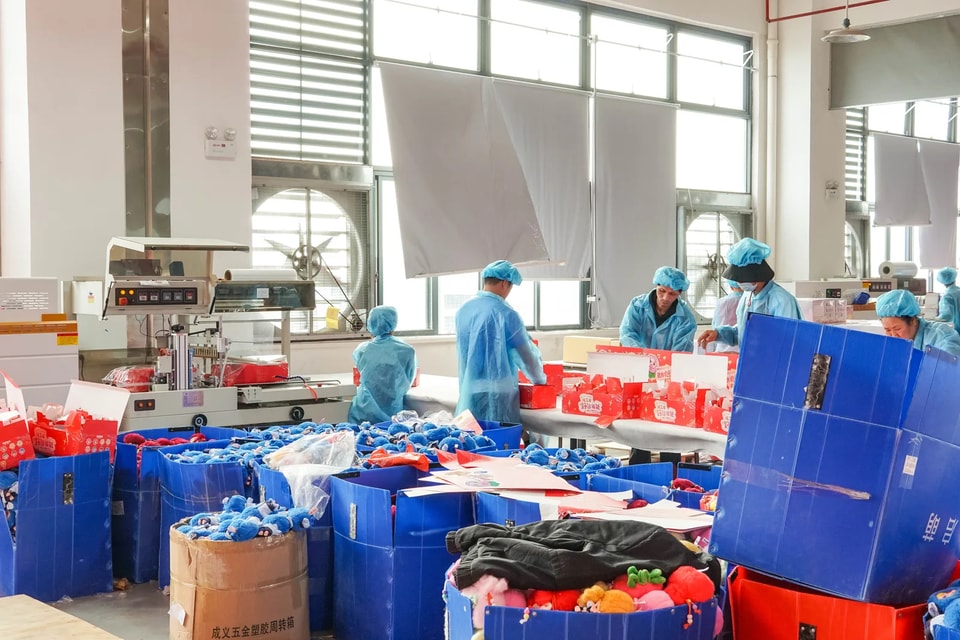
Needle detection and pull tests, explained
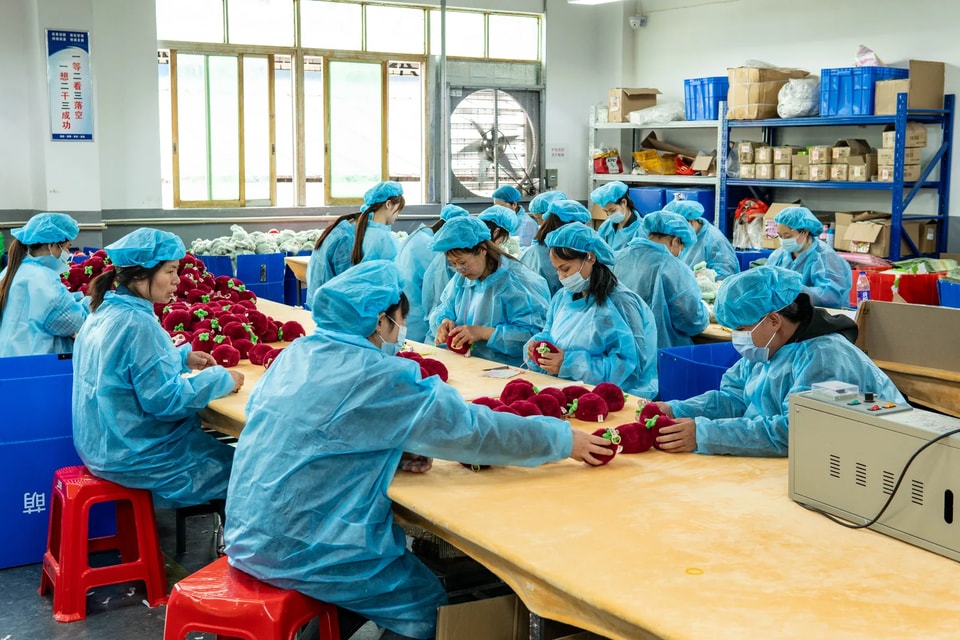
Two checks come up in nearly every factory audit of a plush supplier. Needle detectionSewing means needles, and a broken needle tip is the one contaminant that matters in a soft toy. Every finished piece passes through a metal detector before packing; our floor runs five detectors. Pull testingEyes, noses and seams are pulled with calibrated force to check nothing comes away. This is also why we use embroidered features for toys aimed at under-threes. RecordsTest results and material lots are filed with the order, so when a retailer asks six months later, the paperwork is already there.
Explore
We make
Talk to us
- +86 135 5976 8227
- postmaster@qimengtoy.com
- Building 10, No.136 Chanan Road, Chashan Town, Dongguan, Guangdong 523391, China
Follow us


Start a plush
We use these details only to reply to your enquiry — see our Privacy Policy.